When setting up your bookkeeping in Xero (or doing a cleanup or checking for accuracy), one of the biggest areas to review is reconciliation. Reconciliation matches your Xero transactions to your bank account records.
Inaccurate reports usually mean inaccurate base data, so reconciliation is one of the best ways to ensure the data you’re putting into is Xero is accurate, and your P&L and Chart of Accounts is also accurate.
Why Reconciliation Matters
Reconciliation answers a simple question: “Do the transactions in Xero match the bank?” It’s a way to make sure you can trust financial reports, and it makes sure you’re not missing things. Skipping reconciliation can mean missing errors from past months or even years. You can even miss double charges, fraudulent charges, or theft.
Make sure you check reconciliation in Xero:
- If the reconciliation period shows zero – reconciliation has never been done before. Time to get started!
- If individual transactions show “unreconciled” that means they’ve shown up in the bank but you haven’t input them into Xero.
- If old transactions from previous years or months are unreconciled, your current balance is probably incorrect. Time to reconcile from the unreconciled transaction through every month to the present!
This is one of the things we really appreciate about Xero—it’s easy to understand and the software shows you errors.
How to Reconcile Properly
- Go Manage Account → Reconcile Account in Xero to check reconciliation status.
- Reconcile in chronological order — you cannot skip months. Start with the oldest unreconciled period and work forward.
- Ensure the bank balance matches Xero’s balance each month before moving to the next.
💡 Tip: Even just a couple of unreconciled transactions can throw off your entire bookkeeping system. Accurate reconciliation is critical for tax readiness and financial decision-making. But, MAKE SURE YOU DO IT IN CHRONOLOGICAL ORDER. You can’t do one month here, one month there.
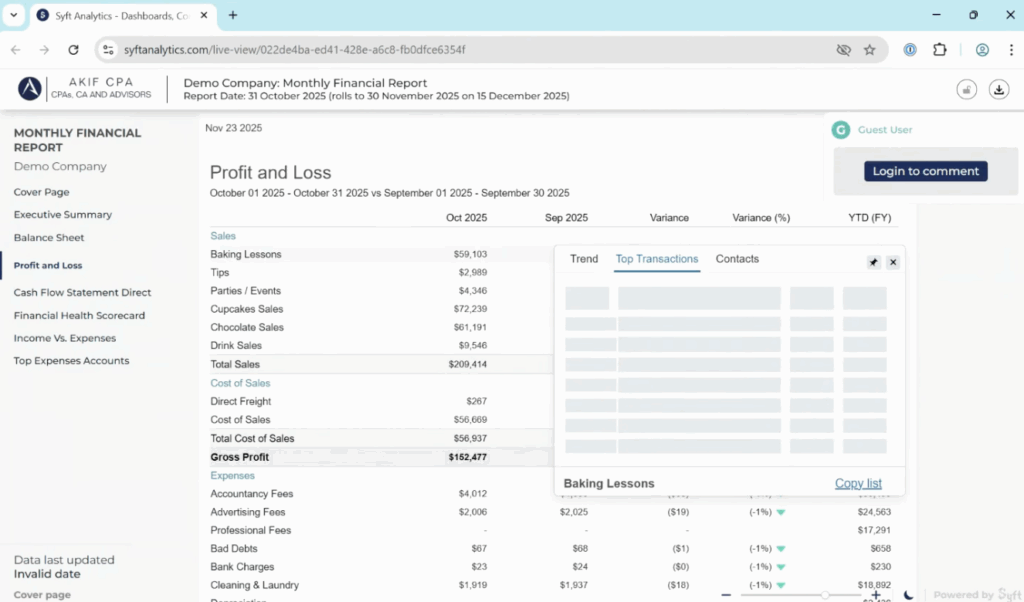
In this video guide, we’ll walk through a demo company in Xero and show you exactly what to look for to identify problems and maintain accurate books: https://youtu.be/Gum2_62Ogf4